.webp) slogh5.com
slogh5.comDicero: The Complete Beginner’s Guide – How to Play, Build Strategies, and Win More Games
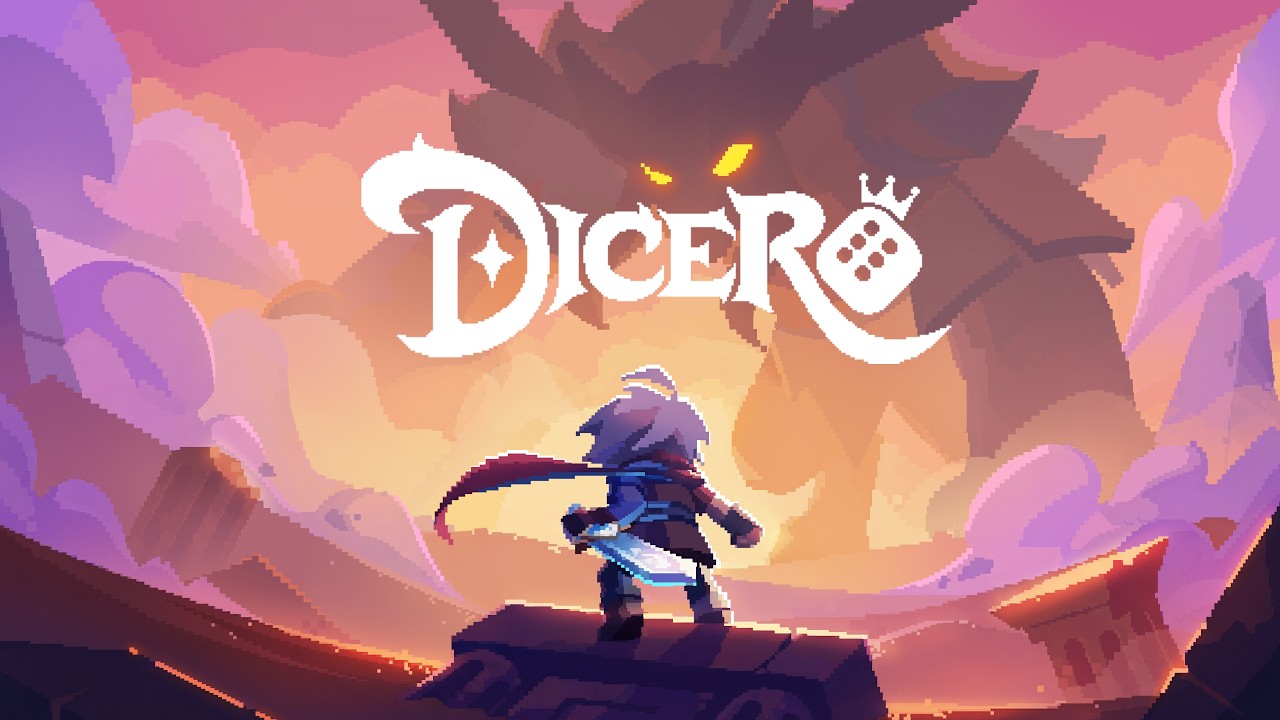
Dicero is a dice-themed game concept that combines luck, decision-making, and strategic planning to create an engaging gameplay experience. For players who enjoy rolling dice, managing resources, and making tactical choices, games in this genre offer an appealing balance between unpredictable outcomes and opportunities for skillful play. Although a single dice roll can change the direction of a round, understanding the available mechanics and making thoughtful decisions can help players get more out of every session. Whether you are completely new to Dicero or already familiar with dice-based games, learning how to approach each turn strategically can make your experience more rewarding.
Getting started with Dicero involves more than simply rolling dice and hoping for favorable results. Players benefit from understanding the rules, identifying the purpose of each action, managing limited resources, and recognizing when to take risks. Depending on the version of Dicero you are playing, the game may feature different dice mechanics, upgrades, combinations, challenges, or progression systems. Therefore, the first step is to become familiar with the specific rules and features available in your version rather than assuming that every dice game works in exactly the same way.
This guide explains how to approach Dicero step by step, from learning the basic mechanics to developing advanced strategies and improving your long-term performance. You will discover how to make better decisions, evaluate risks, build an effective playstyle, avoid common mistakes, and create a practical routine for learning from each session. By following these tips, you can develop a stronger understanding of dice-based gameplay and make more consistent decisions, even when luck does not go your way.
1. How to Get Started With Dicero and Understand the Basic Rules
The first step toward improving at Dicero is learning how the game works. Before attempting advanced strategies, explore the main menu, available game modes, tutorials, and introductory challenges. Read the instructions carefully and pay attention to the purpose of each mechanic. If the game uses dice rolls to determine attacks, movement, rewards, or other outcomes, identify how those results influence your progress. Understanding the relationship between your actions and their consequences will help you make more informed decisions during later stages.
Start with the simplest available mode whenever possible. Early challenges are useful because they allow you to become familiar with the interface without having to manage too many mechanics simultaneously. Observe how a turn begins, what actions are available, and how the game determines the result of each action. If the game includes a tutorial, complete it before moving into more difficult challenges. Even experienced players can benefit from reviewing unfamiliar rules, especially when Dicero introduces mechanics that differ from other dice-based games.
Learn the Main Gameplay Elements
Depending on the version you play, Dicero may include several mechanics that influence how a session develops. These could involve dice selection, scoring combinations, resource management, upgrades, or turn-based decisions. Identify which elements are essential to completing your immediate objective and which ones provide optional advantages.
Create a short checklist of the information you need to understand:
- Objective: Determine what you must accomplish to complete a round or level.
- Dice mechanics: Learn how dice are rolled, selected, rerolled, or used.
- Available actions: Identify the choices you can make during each turn.
- Resources: Understand how the game handles currency, energy, health, or other resources if present.
- Progression: Check whether completing challenges unlocks new content or abilities.
- Failure conditions: Learn what happens when you lose a round or run out of resources.
This information gives you a foundation for making sensible decisions instead of relying entirely on trial and error.
Begin With Small, Achievable Goals
Avoid trying to master every feature during your first session. Focus on completing an introductory challenge, understanding the scoring system, or successfully using one important mechanic. Small goals make it easier to recognize improvement and identify which parts of the game require additional practice.
Once the basic controls and rules become familiar, gradually explore more challenging content. Learning in stages allows you to build confidence without becoming overwhelmed by complicated systems.
2. How to Learn Dice Mechanics and Make Better Rolls
Dice mechanics are central to many games in the Dicero genre. A roll can determine which actions are available, how much progress you make, or whether a particular strategy succeeds. However, the best approach is not necessarily to chase the highest possible result every time. Instead, consider what your current situation requires and determine which outcomes would provide the greatest practical benefit.
Begin by identifying the possible results of a roll and how each result affects your available choices. If the game allows you to select dice, keep certain results, or reroll others, experiment with these options during early challenges. Observe whether particular combinations produce additional benefits and whether some outcomes are more useful in specific situations. The more familiar you become with these mechanics, the easier it will be to evaluate your options before committing to a decision.
Understand Probability Before Taking Risks
When a game uses conventional six-sided dice, each individual face has a probability of one in six, assuming the dice are fair and each outcome is equally likely. This means that repeatedly hoping for a specific number is not a reliable strategy on its own.
For example, if you need a particular result to complete an objective, consider whether you have another way to achieve the same goal. If rerolling is available, determine how many attempts remain and whether using them now is worth the cost. If the game includes modified dice or special abilities, remember that the probabilities may differ from those of ordinary dice.
Decide When to Keep or Reroll
If Dicero includes a reroll mechanic, avoid using it automatically whenever you receive an imperfect result. A result that appears weak may still support your current strategy or contribute to a useful combination.
Before rerolling, ask yourself three questions:
- Does the current result help achieve my objective?
- What improvement am I realistically trying to obtain?
- Is the potential benefit worth using another attempt or resource?
These questions encourage deliberate decision-making. Instead of chasing a perfect roll, focus on achieving a result that is good enough to advance your current plan.
Recognize the Difference Between Luck and Strategy
You cannot control every dice outcome, but you can control how you respond to it. A favorable roll may create an opportunity, while an unfavorable roll may require you to change your approach.
Strong players recognize that strategy is about improving the quality of their decisions rather than guaranteeing a particular outcome. When a roll does not go as expected, reassess the situation and look for another useful option. This flexible mindset is essential for enjoying dice-based games without becoming frustrated by randomness.
3. How to Build an Effective Strategy Before Each Turn
A clear strategy helps you avoid wasting opportunities. Before taking an action in Dicero, identify your immediate objective and determine which available choices can help you achieve it. Depending on the game's rules, your objective might involve earning points, defeating an opponent, reaching a target, collecting a combination, or preserving resources for a later stage.
Start by evaluating your current position. Look at the resources you have, the actions available, the requirements of the challenge, and any restrictions that may affect your next move. Then select the action that offers the strongest overall benefit. This does not always mean choosing the option with the highest immediate reward. Sometimes a smaller gain is more valuable if it helps you prepare for a stronger move later.
Separate Immediate Goals From Long-Term Goals
Immediate goals help you make progress in the current turn, while long-term goals prepare you for later challenges. Both matter, but their importance changes depending on your situation.
For example, spending a resource to gain a small advantage may be reasonable when you are close to completing a round. However, saving that resource could be more effective if a difficult encounter is approaching. Learn to evaluate your decisions in the context of the entire challenge rather than focusing exclusively on the next action.
Use a Simple Decision-Making Process
When you are uncertain about your next move, use a repeatable process:
- Identify the current objective.
- Review your available dice and resources.
- List the actions that could advance your objective.
- Compare their benefits and risks.
- Choose an action that fits your overall plan.
- Review the result before deciding what to do next.
This process prevents impulsive decisions and makes it easier to understand why a strategy succeeds or fails.
Adapt When the Situation Changes
A strategy that works at the beginning of a challenge may become less effective later. New restrictions, difficult opponents, unexpected dice results, or limited resources can force you to reconsider your approach.
Do not continue following an outdated plan simply because you have already invested time in it. Reevaluate your situation whenever an important change occurs. Being willing to adjust your strategy is often more valuable than trying to execute a perfect plan in an unpredictable environment.
4. How to Manage Resources and Avoid Wasting Valuable Opportunities
Resource management is an important skill in games that combine dice mechanics with progression systems. Depending on the version of Dicero, resources might include currency, reroll tokens, health, energy, upgrade materials, or other limited-use items. Understanding how these resources work can help you avoid situations where you have the right strategy but lack the means to carry it out.
Begin by learning how each resource is earned and spent. Check whether it can be replenished during a round, obtained through completed challenges, or carried into future stages. If a resource is difficult to replace, treat it more carefully than one that is readily available. This distinction helps you decide when to spend aggressively and when to conserve what you have.
Prioritize High-Value Spending
Before spending a limited resource, consider whether the action provides an immediate benefit, improves your future options, or prevents a serious setback. An upgrade that consistently strengthens your strategy may provide more value than a temporary bonus with little effect on your overall performance.
Use the following questions to evaluate a purchase or resource expenditure:
- Does this action help me complete the current objective?
- Will the benefit continue to matter in later rounds?
- Is there a cheaper way to achieve the same result?
- Could I need this resource for a more difficult challenge?
- What happens if I save it instead?
The answers will vary depending on the game mode, but considering these factors helps you make more deliberate choices.
Avoid Spending Resources Out of Frustration
Unfavorable dice rolls can encourage players to use every available reroll or bonus in an attempt to recover immediately. Although spending resources can sometimes be justified, acting out of frustration often leads to poor decisions.
Pause and reassess the situation before using an important item. Determine whether another action could produce a reasonable result without requiring additional spending. If the current situation is already unfavorable, consider whether the remaining resources would be more useful in a later attempt.
Build a Sustainable Resource Strategy
A sustainable strategy balances current progress with future flexibility. You should not save every resource indefinitely, because unused resources cannot help you when a challenge becomes difficult. At the same time, spending everything early may leave you without useful options later.
The goal is to spend resources when they provide meaningful value. As you gain experience, you will develop a better understanding of which situations justify an investment and which ones reward patience.
5. How to Choose Upgrades and Improve Your Gameplay
If your version of Dicero includes upgrades, abilities, equipment, or other progression systems, learning how to select improvements is an important part of developing a strong strategy. Upgrades can change the value of particular dice results, increase the effectiveness of certain actions, or make difficult challenges easier. However, not every upgrade will benefit every playstyle equally.
Start by understanding what each upgrade actually does. Read its description and determine whether it affects your primary strategy or supports a secondary option. An upgrade may look impressive because it provides a large bonus, but that bonus might be less useful if it rarely contributes to your objectives. Focus on improvements that you can use consistently rather than choosing them based on appearance alone.
Build Around a Consistent Playstyle
A focused strategy often performs better than a collection of unrelated bonuses. If you frequently use a particular action or rely on a specific type of dice combination, prioritize upgrades that strengthen that approach when the game offers such choices.
For example, a strategy built around frequent rerolls would benefit most from upgrades that improve reroll efficiency, if available. A strategy focused on generating high scores might instead prioritize bonuses that directly support scoring. The important principle is to ensure that your upgrades work together rather than competing for limited resources.
Compare Immediate and Long-Term Benefits
Some upgrades provide an immediate advantage, while others become more valuable as your strategy develops. An early upgrade that improves resource generation may support many future decisions, whereas a powerful one-time bonus may only help in the current encounter.
When comparing options, consider:
- Consistency: How often will the upgrade be useful?
- Strength: How much does it improve your actions?
- Compatibility: Does it support your existing strategy?
- Cost: Is the price reasonable for the benefit?
- Timing: Will the upgrade matter in upcoming challenges?
These factors provide a practical framework for evaluating progression choices.
Experiment Before Committing
If the game allows you to test different builds without significant penalties, experiment with several combinations. A strategy that seems powerful in theory may perform poorly in actual gameplay because its benefits depend on specific dice outcomes.
Try changing one major element at a time so you can determine which upgrade produces the most meaningful improvement. Keep track of the situations in which an upgrade helps and the situations in which it provides little value. This approach makes experimentation more informative and helps you refine your preferred playstyle.
6. How to Complete Difficult Challenges More Consistently
As you progress through Dicero, challenges may require more careful planning, better resource management, or a deeper understanding of the dice system. Difficult stages can be frustrating when they combine unfavorable outcomes with demanding objectives. However, breaking a challenge into smaller steps can make it easier to understand and complete.
Begin by reading the challenge requirements carefully. Identify the condition that must be satisfied and determine which actions contribute directly to it. If the challenge requires a particular score, combination, or sequence of actions, focus on that requirement instead of pursuing unrelated rewards. A clear objective helps you avoid wasting turns on actions that do not improve your chances of success.
Analyze Why Previous Attempts Failed
When you lose a challenge, review the decisions that contributed to the result. You may have spent too many resources early, selected an ineffective upgrade, or continued pursuing a strategy after the available dice no longer supported it.
Separate mistakes you can control from outcomes determined by randomness. You cannot guarantee favorable dice rolls, but you can improve how you allocate resources, choose actions, and adapt when results are unexpected.
Divide the Challenge Into Smaller Objectives
A difficult encounter becomes easier to manage when you break it into stages. First, establish a stable position. Next, gather the resources or results needed for your main strategy. Finally, use the available opportunities to complete the objective.
The exact sequence will depend on Dicero's mechanics, but the principle remains useful: avoid treating the entire challenge as one overwhelming problem. Identify the next achievable step and focus on completing it efficiently.
Change Your Approach When Necessary
If the same strategy repeatedly fails, do not simply repeat it without making adjustments. Consider whether another upgrade, a different resource allocation, or a more conservative approach would work better.
Sometimes a challenge requires more preparation rather than a different in-game decision. If you can improve your build or practice a specific mechanic before trying again, use that opportunity. Learning from previous attempts can gradually turn a difficult challenge into a manageable one.
7. How to Avoid Common Beginner Mistakes in Dicero
Beginners often make mistakes because they focus on individual dice results instead of the broader situation. A player might chase a perfect combination, spend all available resources too early, or choose upgrades without considering how they support the current strategy. These decisions may produce occasional successes, but they can also make performance inconsistent.
The best way to improve is to identify common mistakes and replace them with simple, repeatable habits. You do not need to understand every advanced mechanic immediately. Start by learning to evaluate your options, conserve important resources, and recognize when an original plan is no longer effective.
Mistake 1: Chasing Perfect Dice Results
A perfect roll may be satisfying, but it is not always necessary. If a less impressive result already meets your objective, continuing to reroll may waste resources or reduce your available options.
Instead, determine what result is sufficient for the current situation. Accept useful outcomes when they support your plan, and reserve additional attempts for moments when the potential improvement genuinely matters.
Mistake 2: Ignoring the Rules of a Challenge
Players sometimes focus on maximizing scores without checking the exact completion conditions. This can lead to unnecessary actions and missed opportunities.
Before each challenge, review the objective and confirm what counts as success. If the game includes special restrictions or bonus conditions, consider how they affect your strategy. Clear knowledge of the rules prevents avoidable errors.
Mistake 3: Spending Everything Too Early
Using every available resource during the opening turns can leave you unprepared for later challenges. Although aggressive spending may provide an early advantage, it can reduce flexibility when the difficulty increases.
Create a rough spending plan and decide which resources should be reserved for emergencies. You do not need to save everything, but you should understand why each significant expenditure is worthwhile.
Mistake 4: Refusing to Change Strategies
A familiar strategy can feel comfortable, but not every approach works in every situation. If your current plan repeatedly produces weak results, evaluate its limitations instead of continuing automatically.
Look for alternatives that use your available dice and upgrades more effectively. Flexibility allows you to respond to changing conditions rather than depending on one ideal sequence of outcomes.
Mistake 5: Treating Every Loss as Bad Luck
Randomness influences dice games, but not every loss is caused by an unfavorable roll. Poor resource management, ineffective upgrades, and unnecessary risks can also contribute to failure.
After each unsuccessful attempt, identify one decision that you could improve. Even a small adjustment can make your next attempt more efficient.
8. How to Develop Advanced Dice Strategies and Improve Decision-Making
Once you understand the basic mechanics, you can begin developing more advanced strategies. Advanced play is not simply about memorizing combinations or searching for the strongest possible roll. It involves evaluating several possible outcomes, estimating risks, and choosing actions that preserve useful options for future turns.
One effective technique is to consider the value of each available result in context. A dice outcome may be valuable in one situation but nearly useless in another. For example, a result that completes a required combination could be more useful than a numerically higher result that does not contribute to your objective. Learning to evaluate outcomes according to their practical value is an important step toward stronger play.
Think Several Actions Ahead
Before making a decision, consider how it might influence your next turn. If the game allows you to retain dice, select combinations, or prepare resources, think about what you want to accomplish after the current action.
Planning ahead does not mean predicting every possible outcome. Instead, identify a preferred result and one or two alternatives. If your initial plan fails, you can move to another option without having to rethink the entire strategy.
Evaluate Risk and Reward
Risk management is especially important when an action has a chance of producing a significant benefit but could also cause a setback. Before committing, estimate both possibilities and consider the cost of failure.
For example, if a risky action could complete a difficult objective immediately, taking it may be reasonable. However, if failure would consume your final resource or end the challenge, a safer alternative may offer better overall value.
A useful decision framework is:
- Identify the potential reward.
- Determine the possible negative outcomes.
- Estimate how likely each outcome is, if the rules provide enough information.
- Consider the resources at stake.
- Compare the risky action with available alternatives.
- Choose the option that best supports your overall objective.
You will not always have enough information to calculate exact probabilities. In those situations, use the available evidence and avoid treating uncertain outcomes as guaranteed.
Recognize Patterns Without Assuming They Guarantee Future Results
Tracking previous rolls can help you understand how a game works, especially if it includes predictable mechanics, special dice, or recurring challenge patterns. However, previous random results do not necessarily determine future outcomes.
If ordinary fair dice are used, a number that has appeared several times is not automatically less likely to appear again. Use observations to understand the game's rules, not to assume that randomness must balance itself over a short period.
The strongest strategy combines knowledge of the mechanics with sensible decision-making. By understanding what you can control and recognizing what remains uncertain, you can make better choices without relying on unsupported assumptions.
9. How to Make Progress Faster and Get More From Every Session
Improving at Dicero requires practice, but playing more rounds is not the only way to become better. Focused practice can help you learn faster because it directs your attention toward specific mechanics and recurring problems. Instead of entering each session without a plan, choose a skill you want to improve and evaluate your decisions as you play.
Begin by setting a realistic objective for each session. You might focus on learning a new dice mechanic, improving resource management, testing an upgrade combination, or completing a challenge with fewer wasted actions. Clear objectives make it easier to measure progress and prevent you from becoming distracted by unrelated goals.
Use a Short, Focused Practice Routine
A simple routine can help you build experience without turning every session into a long training exercise.
Try the following approach:
- First 5 minutes: Review the rules or mechanics that you want to understand.
- Next 10 minutes: Practice one specific skill, such as choosing dice or managing rerolls.
- Next 10 minutes: Apply that skill during normal gameplay.
- Final 5 minutes: Review the decisions that worked and the mistakes that occurred.
Adjust the duration to fit your schedule and the length of the game sessions. The purpose is to practice deliberately rather than follow an exact timetable.
Track Useful Performance Indicators
Winning every session is not a realistic measure of improvement in a game that includes random outcomes. Instead, track indicators that reveal whether your decisions are becoming more effective.
Useful indicators may include:
- How frequently you complete the intended objective.
- How often you use resources without gaining meaningful value.
- Whether you select upgrades that support your strategy.
- How well you adapt when a roll produces an unexpected result.
- Whether you make fewer repeated mistakes.
- How consistently you complete familiar challenges.
Reviewing these indicators helps you distinguish genuine improvement from temporary good luck.
Learn From Successful and Unsuccessful Attempts
When a strategy works, identify the decisions that contributed to its success. Perhaps you saved a resource for an important turn, selected an upgrade that complemented your build, or accepted a useful result instead of chasing a perfect roll.
Apply the same analysis after unsuccessful attempts. Identify one or two decisions that could be improved and test a different approach in your next session. Over time, this habit builds a collection of practical strategies that you can adapt to new challenges.
Explore New Mechanics Gradually
Once you become comfortable with the basic gameplay, explore additional modes, challenges, or progression features available in your version of Dicero. New content can reveal mechanics that change how you approach familiar situations.
Avoid changing too many parts of your strategy simultaneously. If you introduce a new upgrade, resource plan, and dice strategy at the same time, it becomes difficult to determine which change improved your performance. Experiment gradually so that each session provides useful information.
10. How to Create a Long-Term Plan for Mastering Dicero
Mastering Dicero is a gradual process that combines mechanical knowledge, practical experience, and the ability to adapt. Once you understand the basic rules and have developed a reliable strategy, the next step is to create a long-term plan that helps you continue improving. This plan should focus on building consistent habits rather than chasing immediate victories.
Begin by reviewing your current strengths and weaknesses. You might understand the dice mechanics well but struggle to manage limited resources. Alternatively, you might make sensible strategic decisions but have difficulty adapting when a challenge introduces unfamiliar conditions. Identifying your weakest area gives you a clear starting point for improvement.
Build a Personal Strategy Checklist
Create a short checklist that you can review before or during a challenging session. It should contain the most important principles you have learned and remind you to avoid recurring mistakes.
For example:
- Confirm the objective before taking action.
- Review available dice, upgrades, and resources.
- Identify the most useful immediate outcome.
- Consider at least one alternative if the plan fails.
- Avoid unnecessary rerolls and resource spending.
- Adapt when the current strategy becomes ineffective.
- Review the result and learn from the outcome.
Keep the checklist simple enough to use naturally during gameplay. As your skills develop, remove reminders that you no longer need and add new ones that address more advanced challenges.
Set Milestones for Continued Improvement
Long-term goals are easier to achieve when they are divided into smaller milestones. Your first milestone might be understanding all the basic mechanics. The next might involve completing a familiar challenge consistently or using a particular resource more efficiently.
After reaching each milestone, choose another area to improve. This creates a steady learning process in which every achievement provides a foundation for the next.
Avoid setting goals that depend entirely on favorable dice outcomes. Instead of requiring yourself to win a certain number of consecutive rounds, focus on actions you can control, such as following your resource plan or avoiding a specific recurring mistake.
Balance Experimentation With Reliable Strategies
Experimentation is important because it helps you discover new approaches and understand how different mechanics interact. However, constantly changing your strategy can make it difficult to determine what works.
Maintain a reliable approach for situations you already understand, and experiment when you encounter a new challenge or identify a weakness. This balance allows you to benefit from your experience while remaining open to better solutions.
Keep Enjoying the Learning Process
A long-term strategy should make the game more enjoyable, not turn every session into a stressful performance test. Some rounds will produce disappointing results, and some experiments will fail. These outcomes are part of learning a game that includes randomness and changing circumstances.
Take breaks when necessary and return with a clear objective. Celebrate improvements in your decision-making, even when the final result is not what you hoped for. Consistent practice, thoughtful experimentation, and patience will help you develop a stronger understanding of Dicero over time.